Politico ran a story this week with a lead that should make every Democrat in Congress feel something in the pit of their stomach: “Democrats won’t rule out giving Trump more money for Middle East war.”
The number being floated is $50 billion, and that’s on top of a trillion-dollar defense budget Congress already approved for this year alone.
And the war they’d be funding has no authorization, no legal framework, no articulated endgame, and no American troops on the ground in Iran, at least not yet. It’s a bombing campaign that the administration alternately calls a war and not a war depending on who’s talking and whether a camera is on, because the moment they commit to the word, they’re admitting they needed authorization they never sought.
I think we should be clear about what this vote actually is, and what it’s not. It’s not a defense appropriation. It’s not protecting troops in the field. It’s a blank check for more bombs, handed to a man who can’t or won’t explain why we’re dropping them.
The Democrats quoted in that Politico piece—Reed, Slotkin, Kaine, Peters—all sit on the Armed Services Committee. Reed is the ranking member. These are the people other Democrats look to on questions like this, and when they start hedging, it gives the rest of the caucus permission to follow. Slotkin’s initial line was, “I don’t rule anything out. I mean, we’re in it.” Reed talked about assessing what the military needs. By Thursday, after a wave of backlash, Slotkin had softened to saying she’d have “a pretty skeptical eye” given that the administration can’t get its story straight on an hourly basis. That’s movement in the right direction, but having a skeptical eye is not the same as saying “no.” And “we’re in it” is still hanging right there for every other Democrat looking for cover.
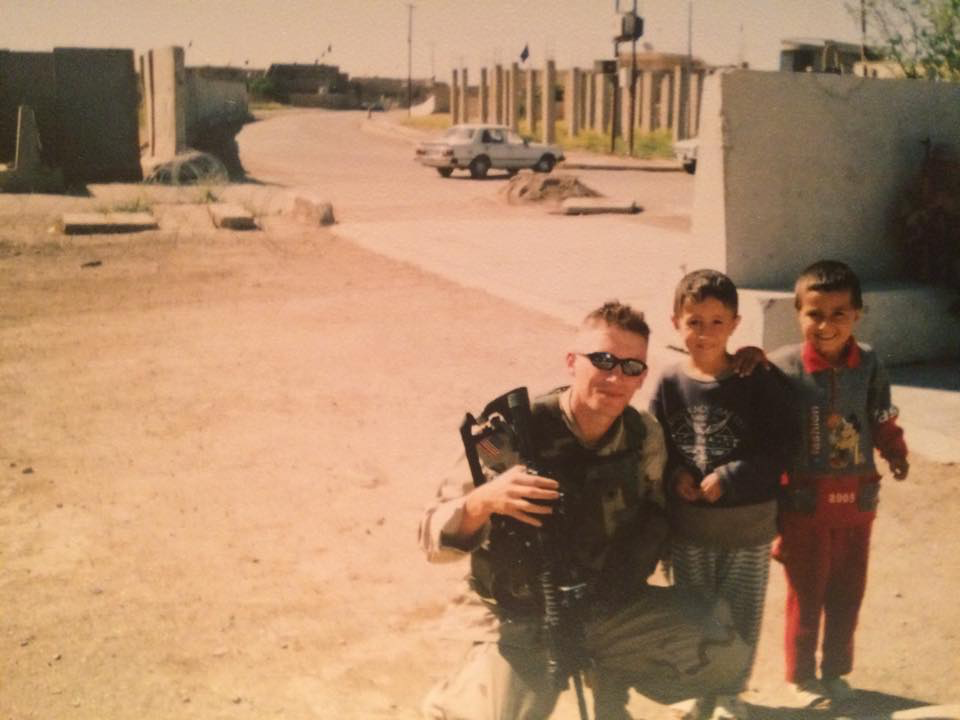
I get the impulse. I really do. In 2004 I was in Iraq as a young infantry squad leader, and we didn’t have the gear we needed. Our humvees weren’t uparmored. They didn’t even have doors. We had locals weld us steel plates to hang on the sides to offer some protection to the guys in the back and we piled sandbags on the floor to stop shrapnel from landmines. The humvees themselves were dark green in a tan desert, so we stood out like targets. Same with our body armor, woodland camo in a desert war. One of my best friends, who was killed in Baghdad a few months later with his new unit, told me they only had one pair of NODs (night vision) per squad. But we did what infantrymen have always done, we improvised and made do with what we had because nobody up top was in a hurry to fix it. And honestly, my unit was better equipped than most, but I still haven’t forgotten what it feels like to know that the people making decisions about your war aren’t thinking about you.
So I understand the instinct to fund the troops. I’ve been “the troops” who needed funding. Democrats made that same case during Iraq, voting for supplemental after supplemental while publicly calling the invasion a catastrophe. Barack Obama later said he regretted some of those votes. But at least during Iraq, the argument pointed toward something real. Hundreds of thousands of American soldiers were in combat and they needed armor and ammunition and medevac support.
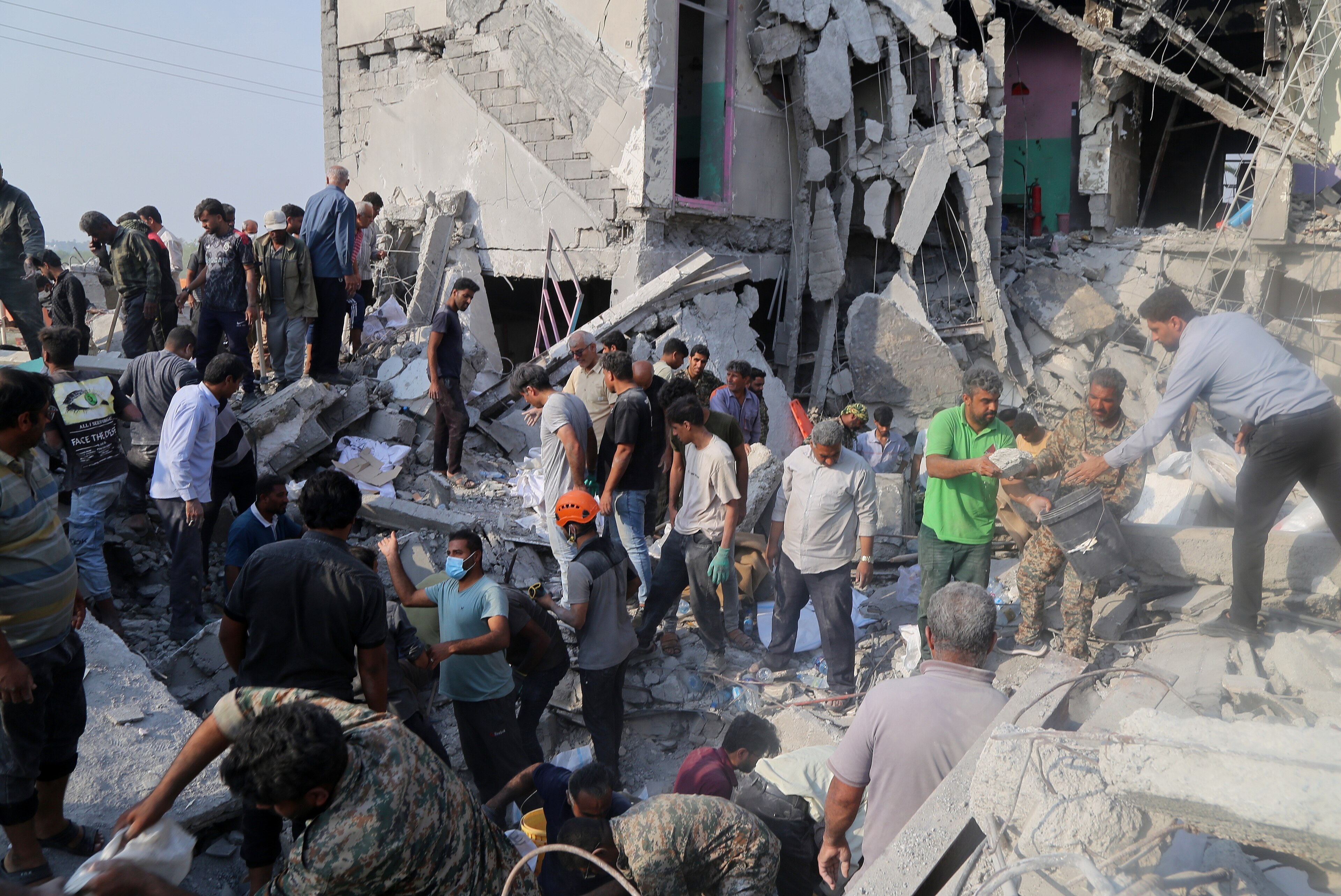
Iran is a completely different animal. There are no conventional American ground forces in the country, though I suspect that will change, and as of this weekend the president is openly refusing to rule it out. There are U.S. personnel stationed across the region, and their safety matters. American soldiers have already been killed in Kuwait and Saudi Arabia. But there’s a difference between protecting defensive positions and writing a $50 billion check to continue an offensive bombing campaign that is escalating by the day. A vote to fund it isn’t a vote to protect anyone. It’s a vote to keep the bombs falling, bombs that have already hit an elementary school and reportedly killed over a hundred children. Bombs the president decided to drop without authorization from anyone, and something he could decide to stop any time he wants.
And that lack of authorization should make the Iraq comparison collapse. The Iraq War was authorized. Not declared, which some of us believe should still be the standard, but at least Congress passed an AUMF. In hindsight, pretty much everyone now knows they shouldn’t have, but they did. There was a legal structure. Funding an authorized war you think is wrong but wanting to protect the people on the ground is one thing. Funding an unauthorized war you think is illegal is something else entirely. It’s retroactive ratification and it tells the executive branch that a president can start a war without permission and Congress will bless it after the fact with a check. It’s capitulation, not just bad judgment.
Think about the sequence. You vote for a War Powers Resolution saying the president needs congressional authorization. That vote fails because Republicans block it, 47-53 in the Senate, 212-219 in the House. Then the supplemental shows up… and you vote yes? What have you told the White House? You’ve told them that the opposition is just theater, that many Democrats will object in public and comply in private. You’re telling them that any president can start any war they want to and Congress will eventually pay for it.
The power of the purse is the last bit of leverage Congress has here. It’s also the one that has actually worked before, from Vietnam to the Boland Amendment. The War Powers votes already failed. The courts won’t move fast enough to matter. If Democrats give that up, they’ve given up everything.
Democratic leadership shouldn’t be quietly managing this problem. They should be loudly and actively lobbying every member to vote no. The party’s position should be simple and clear: if you want funding for this war of choice, then bring your ass to Congress and convince us to authorize it. Until then, we are not writing checks for an illegal military operation that the president could end with a phone call. Period.
The good news is that the backlash from the base and from within the caucus is already moving some folks in the right direction. Jared Moskowitz and Josh Gottheimer had both been publicly opposed to the War Powers Resolution before the strikes began. After the bombing started, both reversed course and voted for it. Moskowitz put out a thoughtful statement explaining why. People have the right to change their minds, and when they do it in public, I think that matters.
Then there’s Ruben Gallego, a combat veteran and a senator I largely respect, who managed to hold three positions in four days and still somehow illustrated exactly why this fight matters. On Monday he posted on X that Gulf countries should foot the bill, not American taxpayers. On Tuesday he went on CNN and told Kaitlan Collins he’d vote to fund the war if the Pentagon asked, as long as the Gulf states picked up half the tab. He called the operation “dumb” and a “war of choice” in the same breath he committed to paying for it. By Thursday, after the backlash hit, he reversed course and declared his opposition to any supplemental funding. Good. It took four days and a public outcry to get him to “no” on funding an illegal war, and that tells you everything about how Washington’s gravity affects these votes and why the pressure has to keep coming.
There will always be outliers. John Fetterman is going to do what John Fetterman does. He has basically made it his calling card to break with the party repeatedly on the Trump administration’s foreign policy and was the only Democrat to vote against the War Powers Resolution. He’ll almost certainly vote yes on the supplemental. Maybe one or two others follow him. But as of right now, the math is against it. Republicans need seven Democrats to break a filibuster in the Senate, and Chris Murphy has said he doesn’t think they’ll get more than one. The base is making itself heard. Progressive groups have already warned they’ll primary Democrats who side with the administration on the war. The door that cracked open midweek is starting to close.
But it hasn’t closed yet. Reed still hasn’t said no. Slotkin’s “skeptical eye” is not the same as a vote. The supplemental request hasn’t formally arrived, and when it does, Politico has reported that Republicans are predictably planning to attach wildfire aid and $15 billion in tariff relief for farmers to sweeten the deal. That’s when the real pressure starts.
The answer to a request for $50 billion to fund an illegal war, on top of the trillion dollars in defense spending Congress has already approved, should be simple. It’s “no.” And every Democrat who needs more than a few seconds to get there should think very carefully about what they’re telling the rest of us.
Nick Allison is a combat veteran and writer based in Austin, Texas. His work has appeared in CounterPunch, HuffPost, The Fulcrum, The Chaos Section, and elsewhere. (@nickallison80.bsky.social)
Discover more from the chaos section
Subscribe to get the latest posts sent to your email.


 the chaos section